Sunken Driveway Slabs: How Polyurethane Foam Lifts Them Without a Tear-Out
Why driveway slabs drop at the garage door and the street, what a foam lift actually involves, and how to tell a liftable driveway…
Read article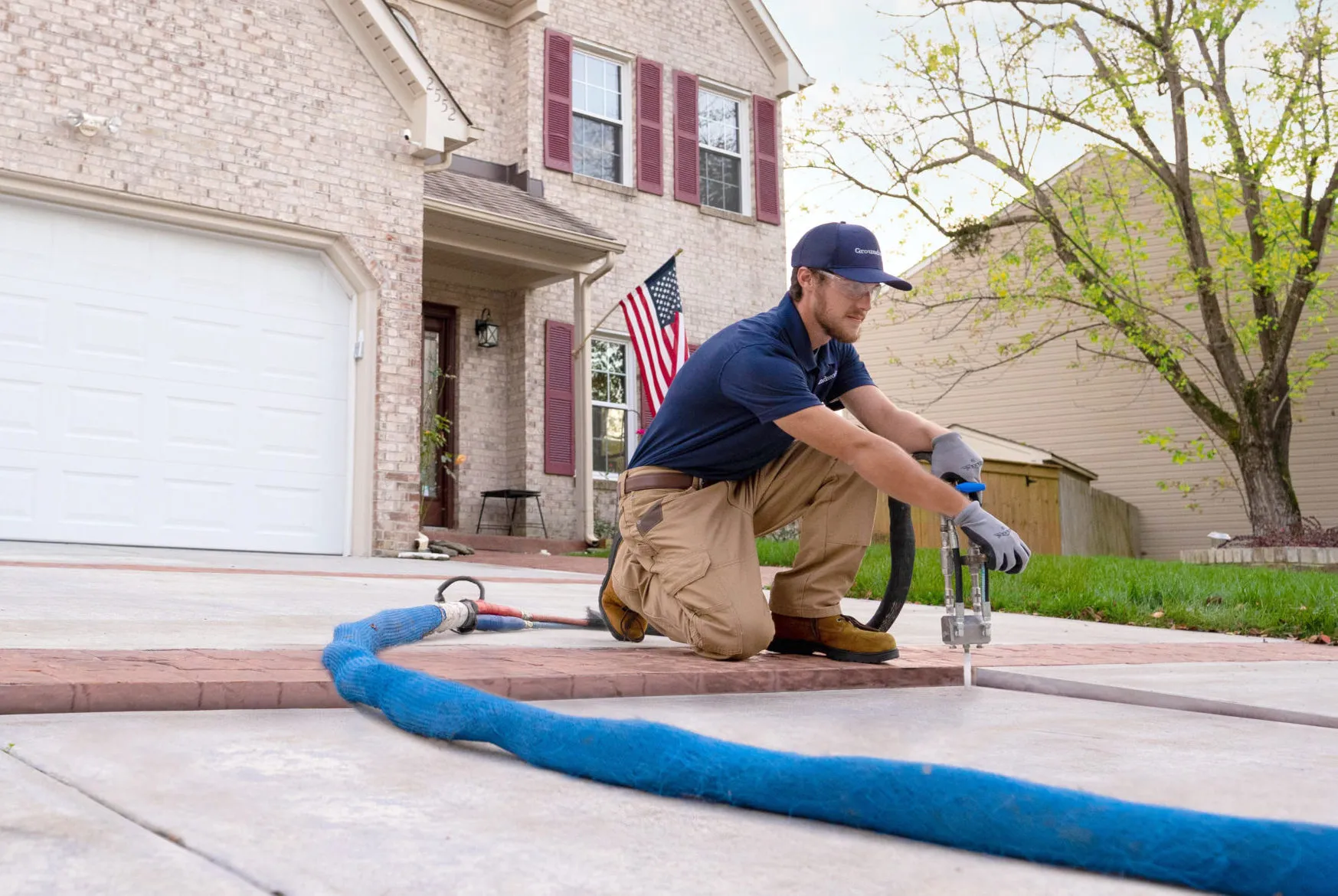
Polyurethane concrete lifting
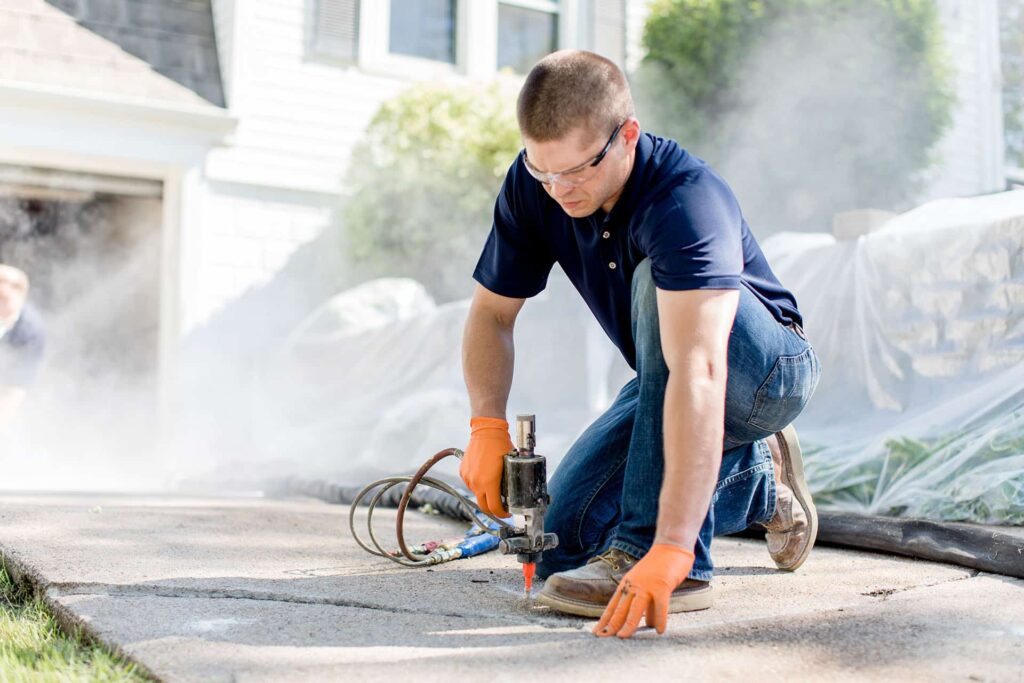
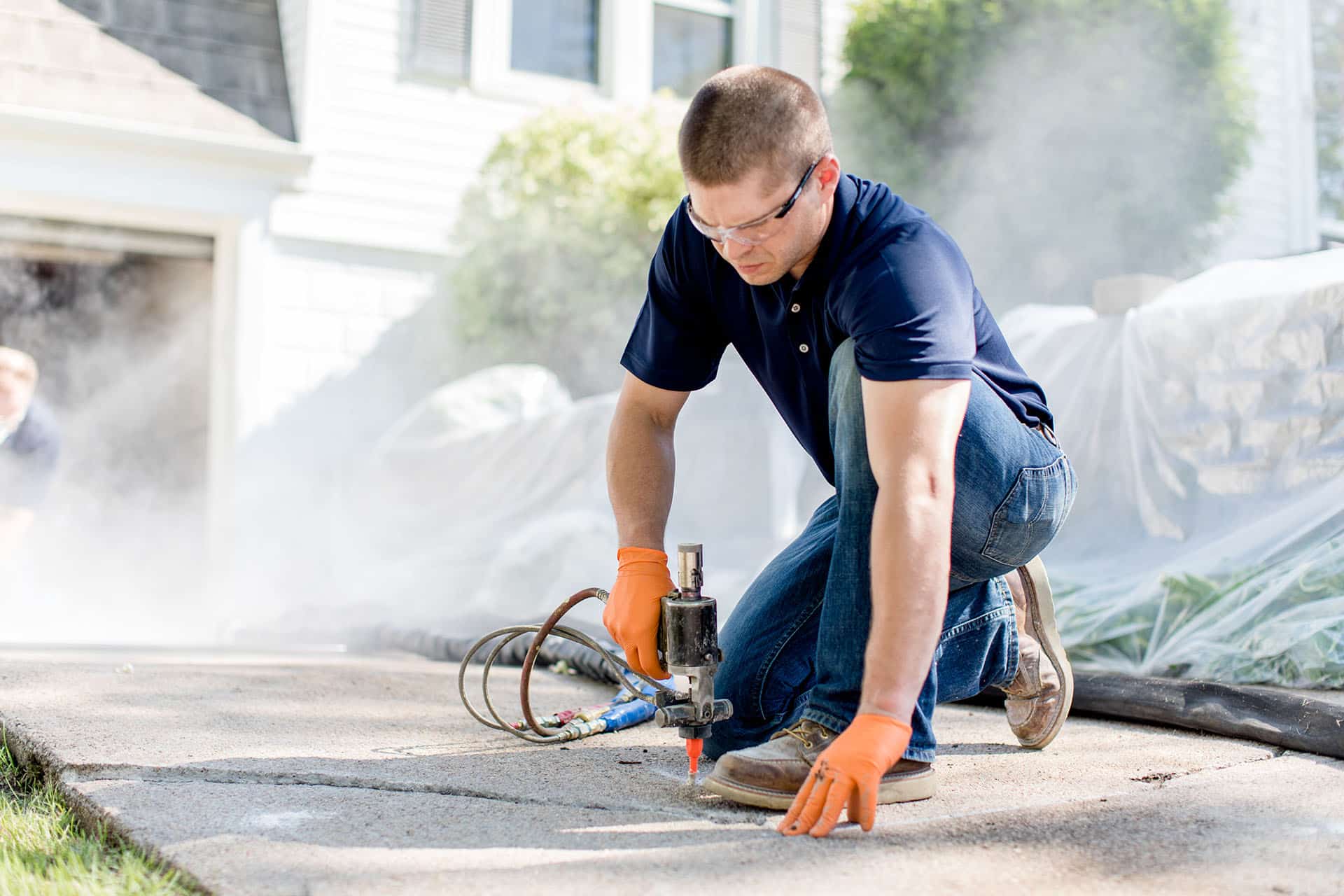
Driveways, sidewalks, pool decks, steps and slabs raised back to level with high-density ArmorThane foam — through dime-sized holes, in a few hours, ready to use the same day.
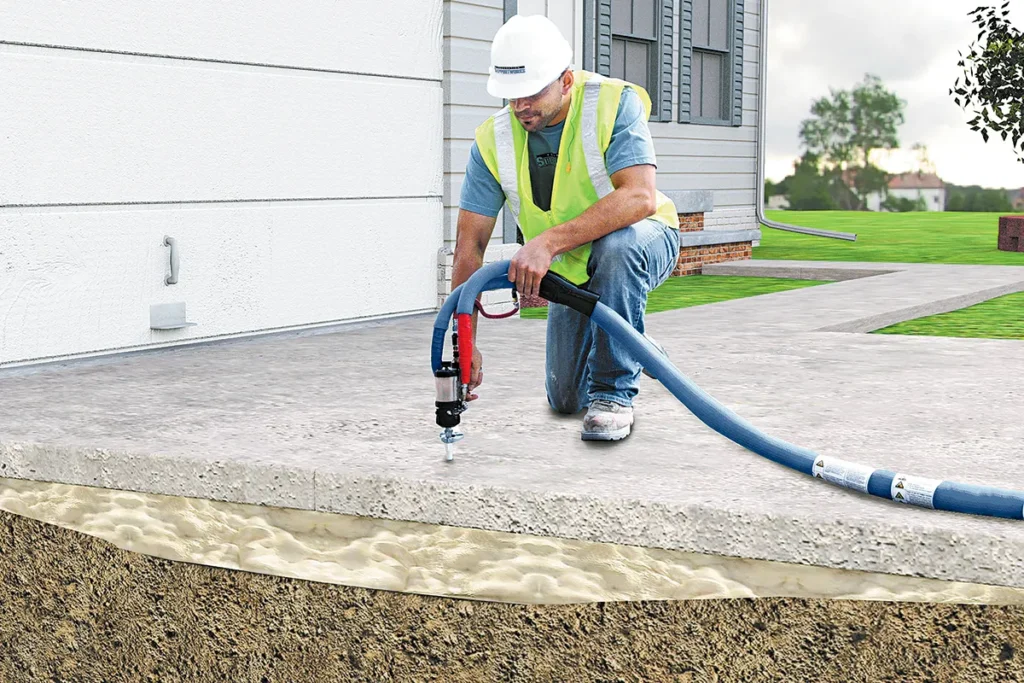
Concrete rarely fails on top. It fails underneath — soil washes out, settles and leaves slabs hanging over voids. Poly lifting fixes the cause: foam fills the void, firms up the soil and floats the slab back to level, so you keep the concrete you already paid for.
See the lift
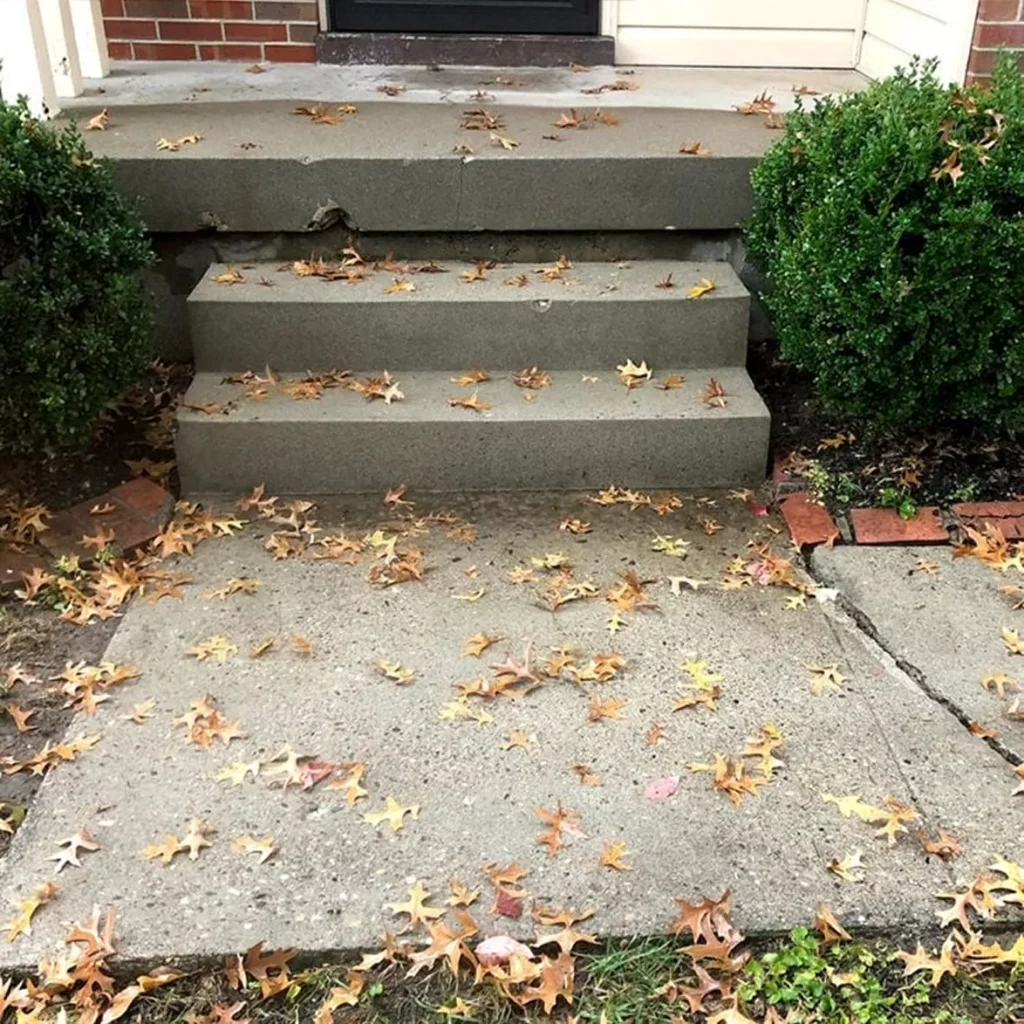
Before-and-after examples of polyurethane slab lifting. Pick a surface, then slide to compare.
Entry steps that tipped toward the walk, lifted back to level.
Get a free estimate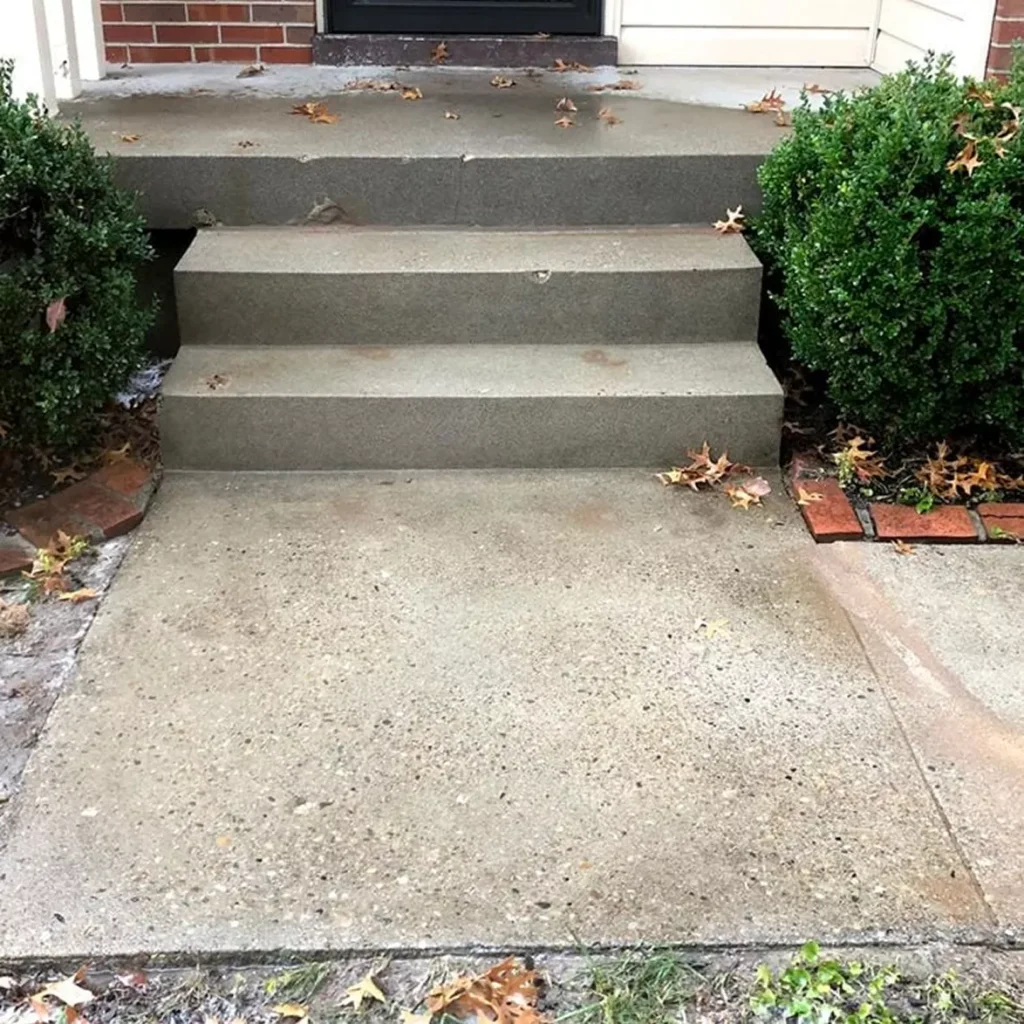
How it works
Tap a step to see what happens under the slab.
Applications
 DrivewaysSunken slabs, garage-door drops and settled aprons.
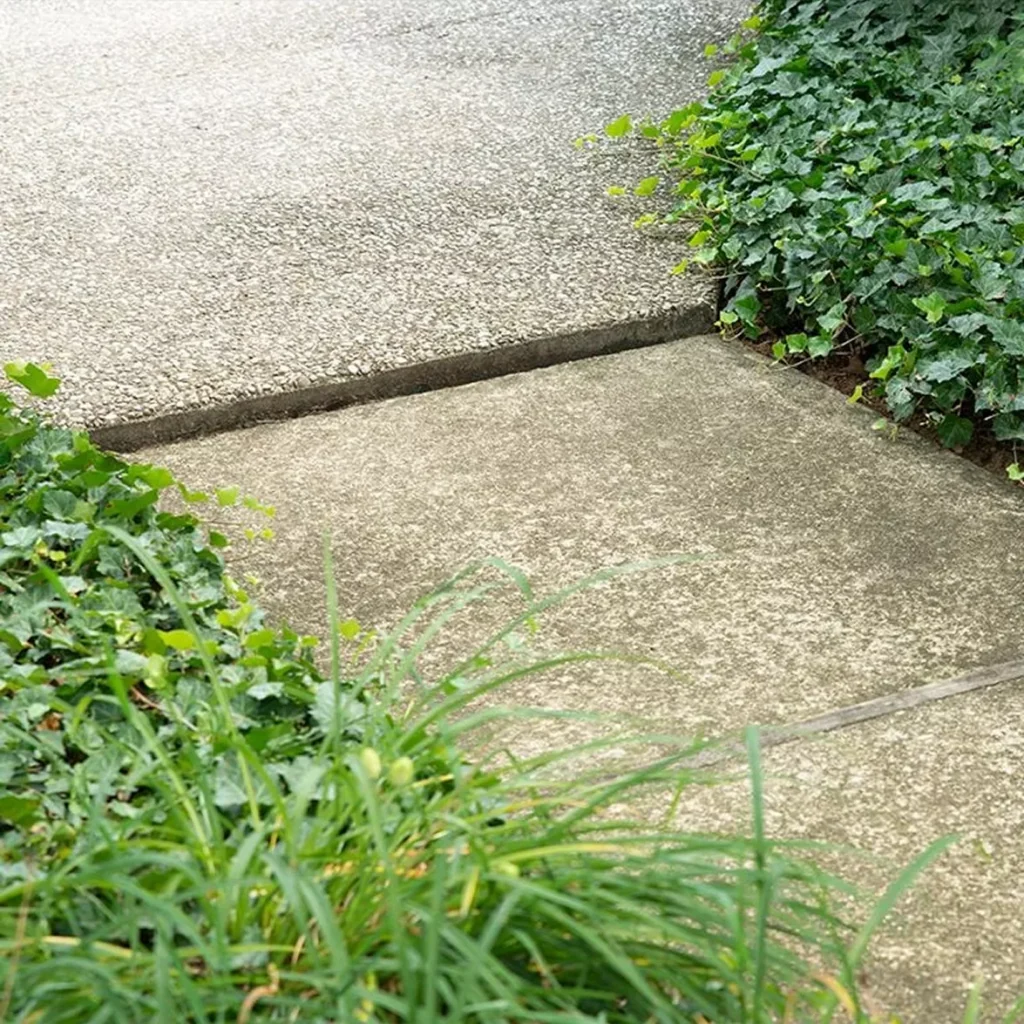 Sidewalks & WalkwaysTrip hazards brought back to flush.
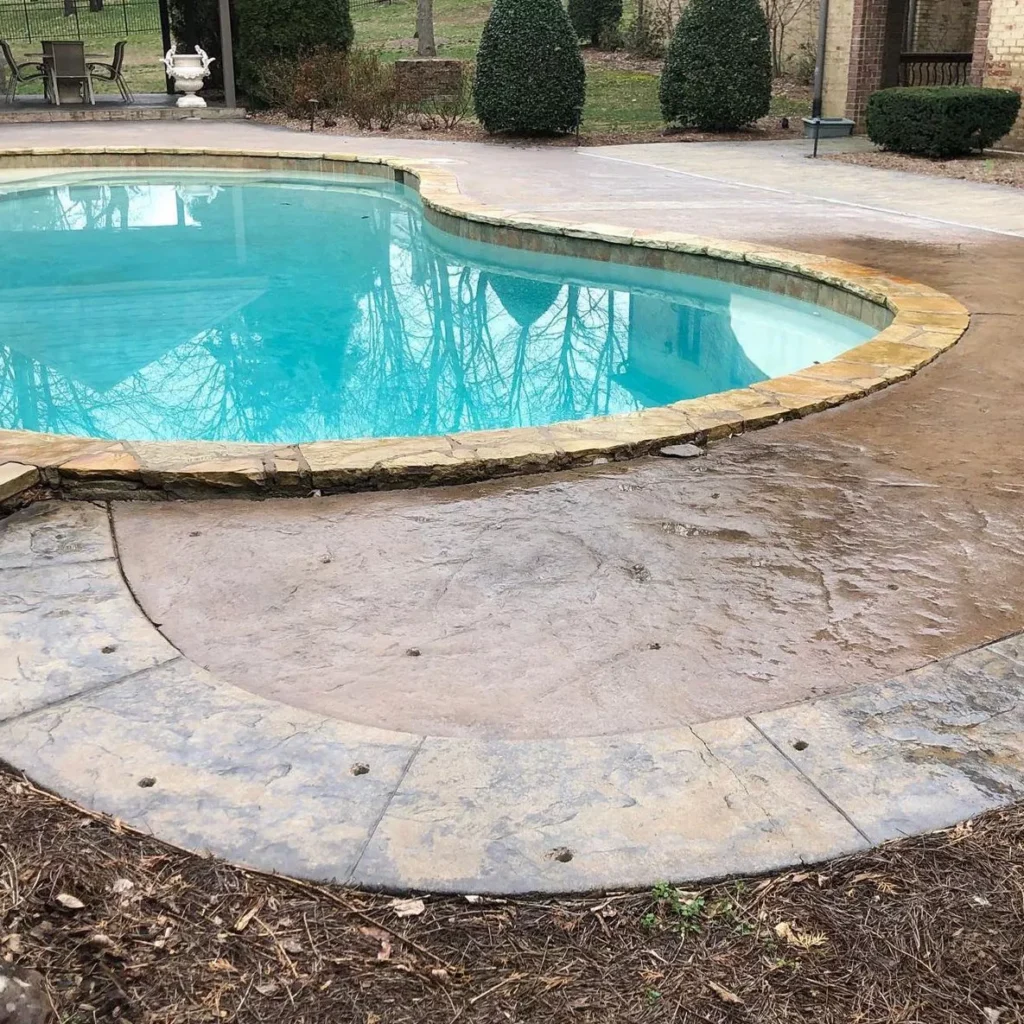 Pool Decks & PatiosLevel decks around water and outdoor living.
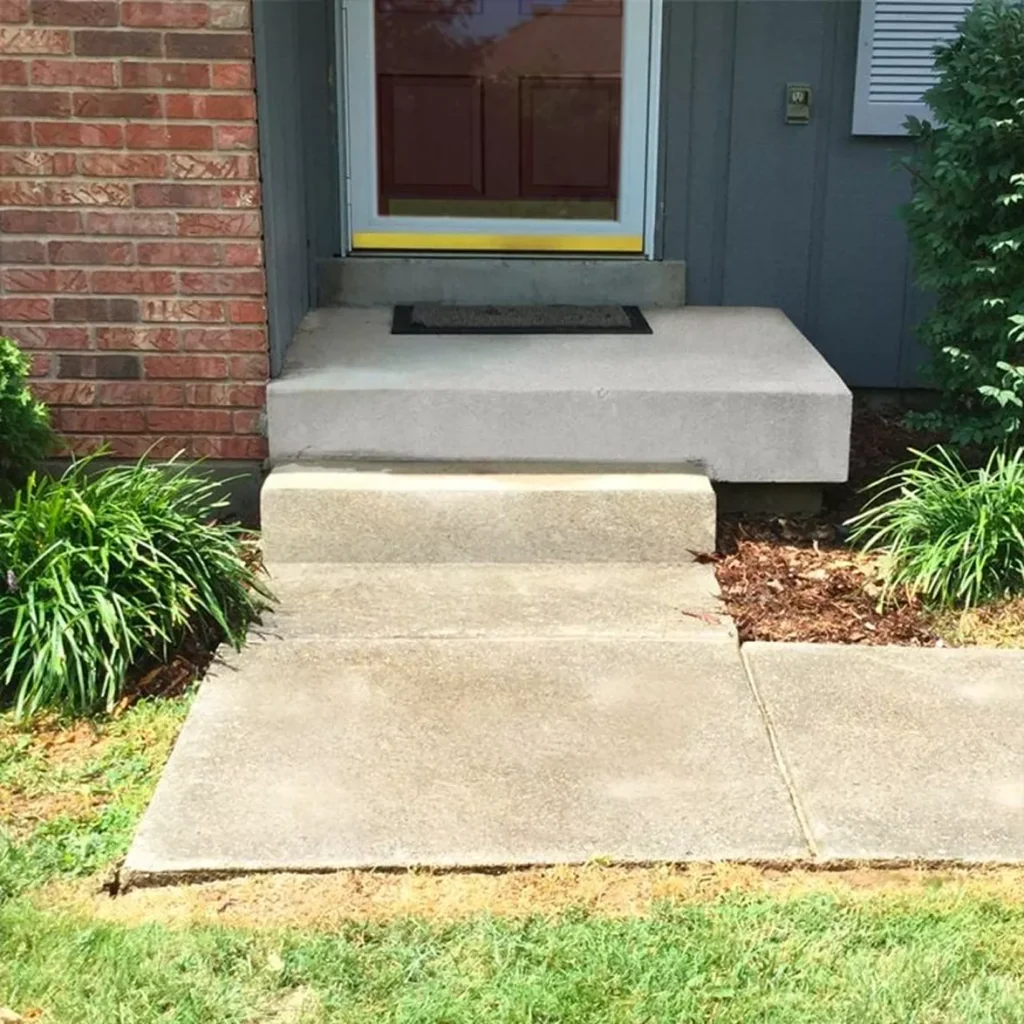 Steps & StoopsTilted entry steps and sunken landings.
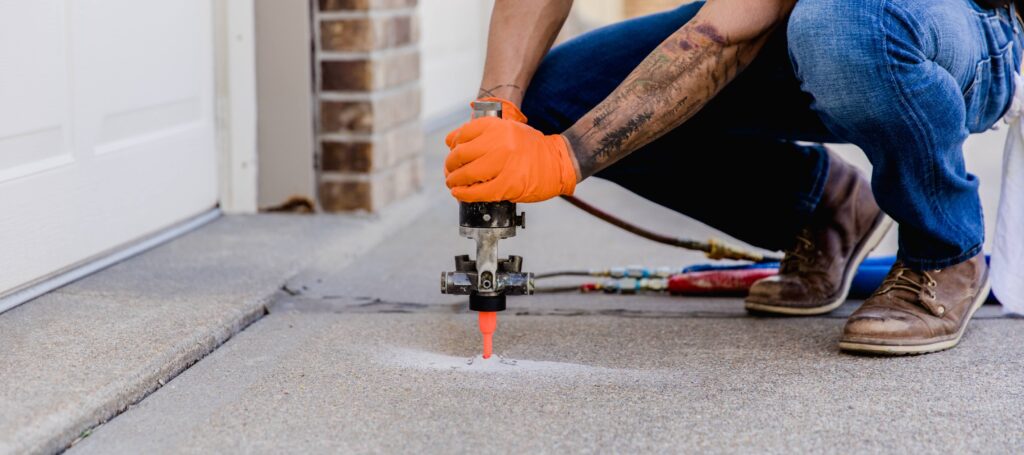 Garage & Interior FloorsSlabs under a roof, lifted carefully.
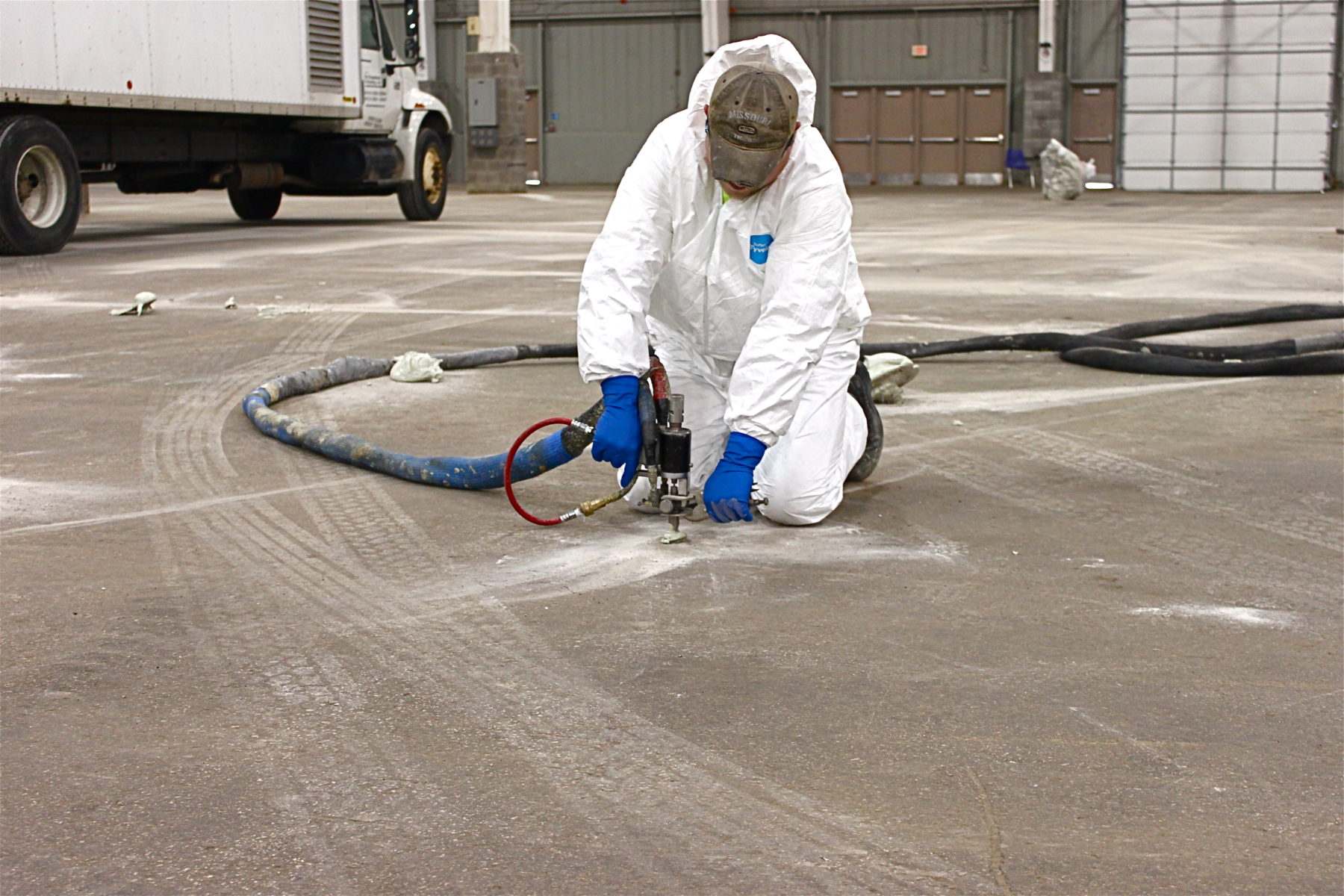
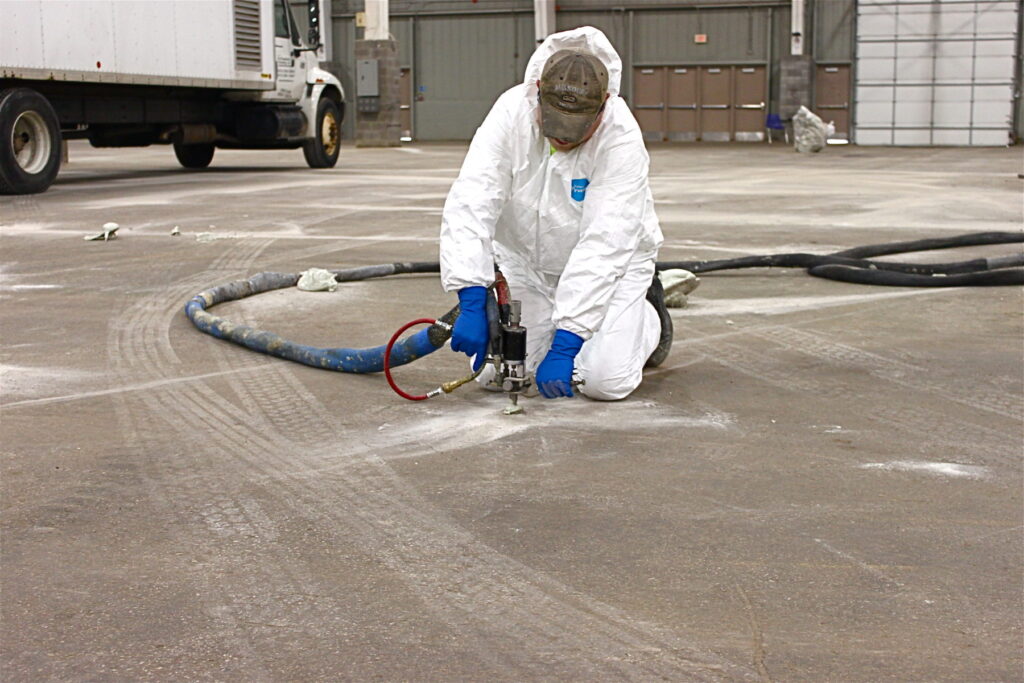 Commercial & IndustrialWarehouse floors, docks and heavy-traffic slabs.
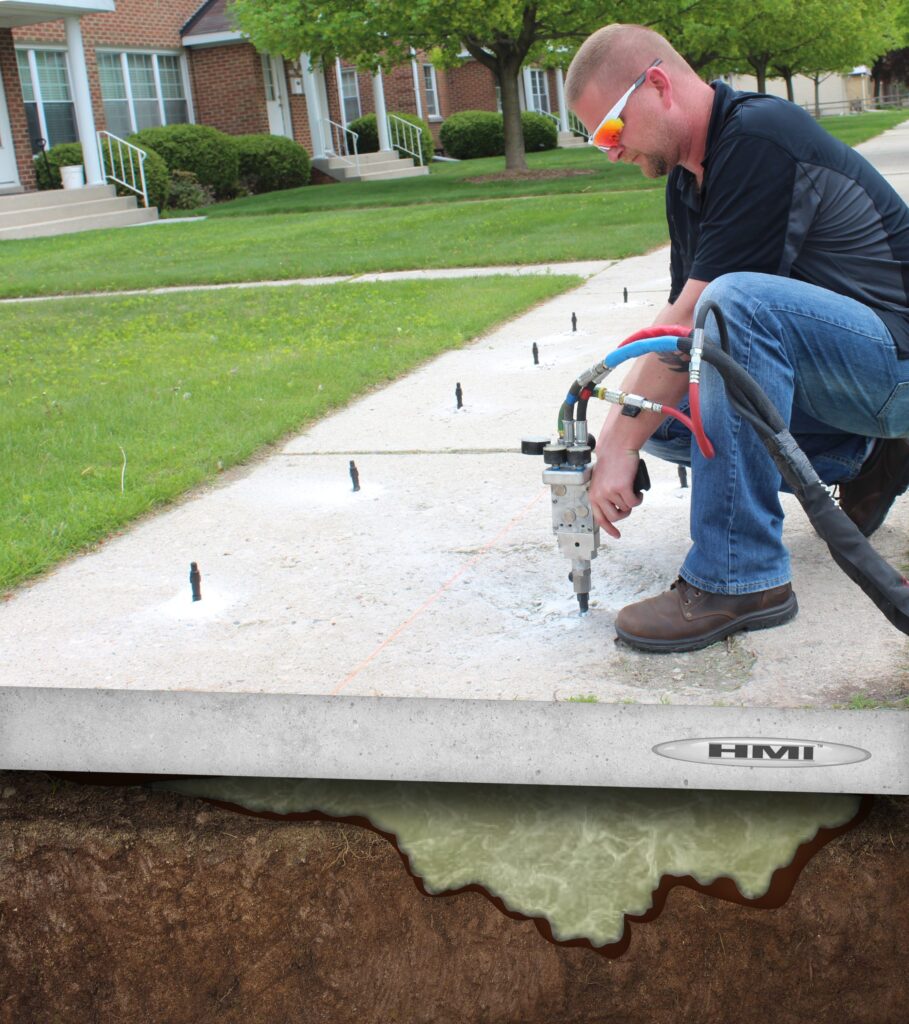 Void Fill & Soil StabilizationFill the voids before slabs crack.
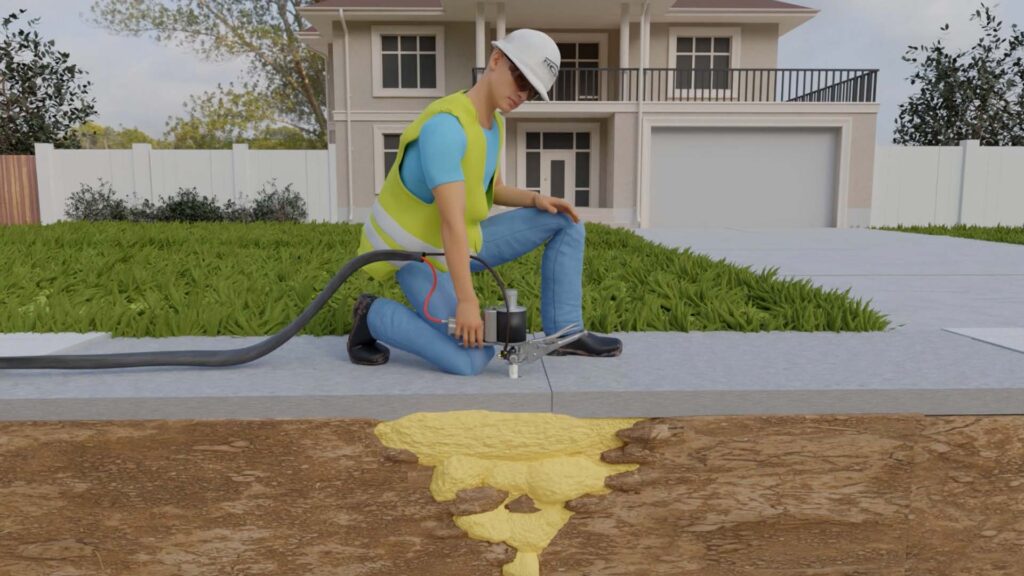 Roads & MunicipalBridge approaches, curb lines and city walks.
Compare
Three ways to deal with a sunken slab, side by side.
| Feature | Polyurethane foam lifting | Mudjacking | Tear out & replace |
|---|---|---|---|
| Weight added under the slab | ~2.5–3.75 lb/ft³ | ~100+ lb/ft³ slurry | New slab and base |
| Hole size | ~5/8 in | ~1½–2 in | — |
| Back in use | About 30 minutes | About a day | About a week; full cure ~28 days |
| Water & washout | Closed-cell, water-resistant | Can erode over time | Depends on base prep |
| Mess & disruption | Minimal | Moderate | Demolition & haul-off |
| Keeps your existing concrete | No | ||
| Typical relative cost | $$ | $ | $$$ |
Figures are typical ranges for residential and light commercial work. Densities are ArmorFoam Lift 200 and Lift 300 published values; mudjack slurry varies by mix.
ArmorFoam Lift 200 — a featherweight next to 100+ lb/ft³ mudjack slurry.
ArmorFoam Lift 300 for heavier commercial and industrial slabs.
Typical wait before a lifted slab can take traffic again.
Days of curing to wait out — compared with about 28 for a brand-new pour.
Built with ArmorThane
ArmorThane has made polyurethane and polyurea systems in Springfield, Missouri since 1989. The startup program puts the foam, the rig and the training in one place, so you can lift concrete in your own market — and keep what you earn. No franchise fees.
ArmorFoam Lift 200 for residential, Lift 300 for heavy slabs.
Proportioners, heated hose, injection guns and complete trailer or truck rigs.
Hands-on lifting, injection patterns and rig maintenance.
Technical help from the manufacturer, plus financing options.
Get started
Homeowners and property managers get matched with a trained lifting pro. Contractors and new owners get rig options, foam pricing and training dates from ArmorThane.
FAQ
Still curious? Ask us anything about your slab or about getting into lifting.
Most residential jobs — a driveway section, a run of sidewalk, a patio or a set of steps — are finished in a few hours. The foam reaches most of its strength within minutes, and ArmorFoam Lift is rated for traffic within about 30 minutes.
Both raise slabs by pumping material underneath. Mudjacking uses a heavy cement slurry pushed through holes about 1½–2 inches wide. Polyurethane uses holes about 5/8 inch wide, weighs around 2.5–4 pounds per cubic foot instead of 100+, resists water and is ready for use almost immediately. It usually costs more per job than mudjacking, and less than tear-out and replacement.
A good technician lifts in small increments, watches the slab with levels or dial indicators and injects at multiple points to spread the load. Existing cracks can open or close slightly as the slab moves, and badly broken slabs may be better replaced — your estimate should tell you which.
Most can. Slabs that are shattered into small pieces, heaved upward by roots or frost, or tied rigidly into a structure may need a different repair. A short visit and a few measurements usually settle it.
Send the request form with a few details about the surface and your ZIP code. We pass it to a trained lifting professional who uses ArmorThane foam, and they follow up to schedule a look.
Start with the business form on this site. ArmorThane builds lifting rigs, manufactures ArmorFoam Lift 200 and 300 and trains new applicators — with no franchise fees. We will walk you through equipment, materials and getting your first jobs.
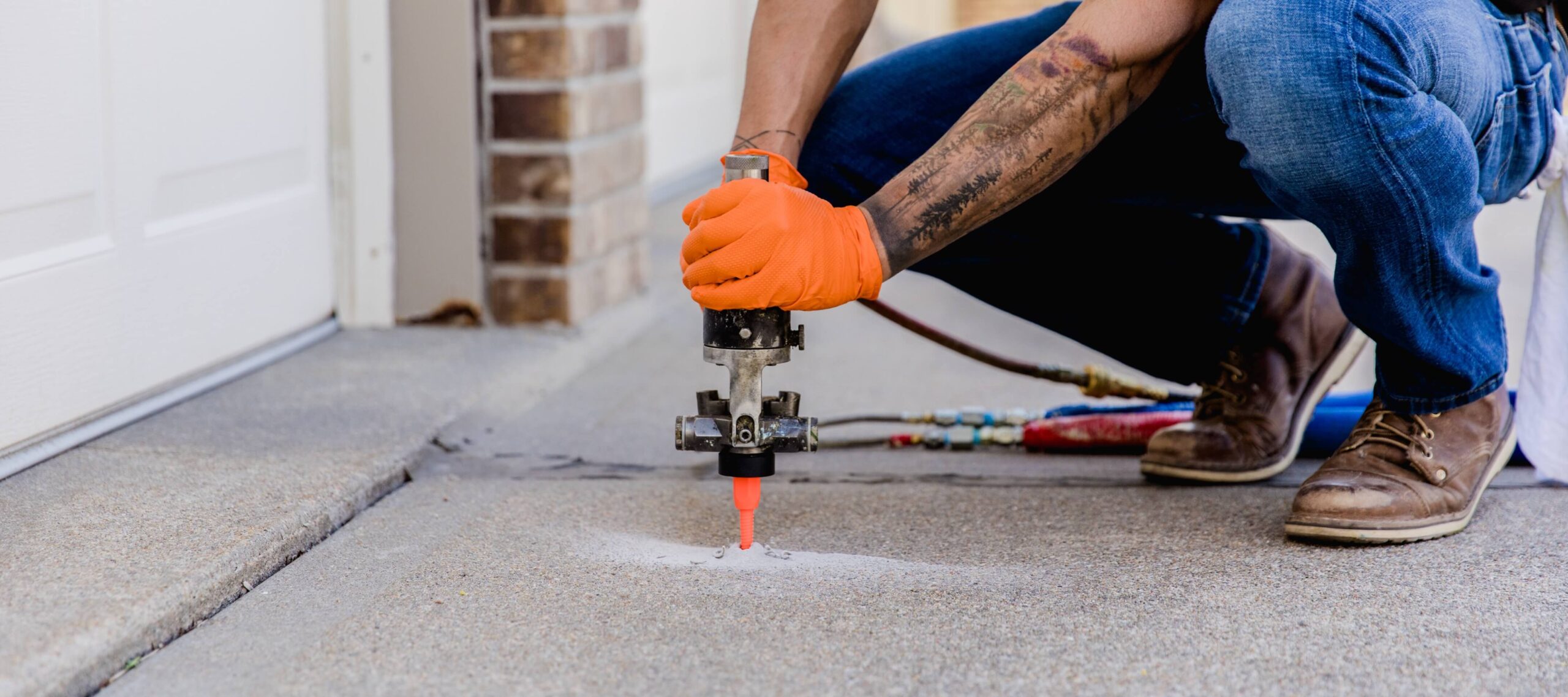
Get a free estimate for your slab — or talk to ArmorThane about bringing concrete lifting to your market.
Talk to us
Tell us what you’re working on and the right person will get back to you — usually within one business day.