Concrete lifting using polyurethane foam has become an effective method for repairing sunken or uneven concrete surfaces. This technique offers several advantages, including durability, cost-effectiveness, and quick application. In this article, we will explore how polyurethane spray foam is used for concrete lifting, discussing foam densities, R-values, and other important details.
Understanding Concrete Lifting
Concrete lifting, also known as slab jacking or polyurethane foam jacking, involves raising and stabilizing sunken concrete slabs. This process addresses issues such as uneven sidewalks, driveways, patios, and garage floors. Traditional methods, like mudjacking, use a slurry mixture to lift the concrete. However, polyurethane foam has emerged as a superior alternative.
How Polyurethane Foam Works
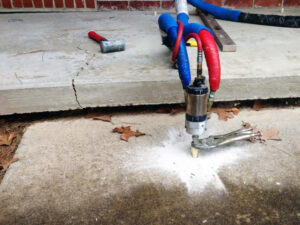
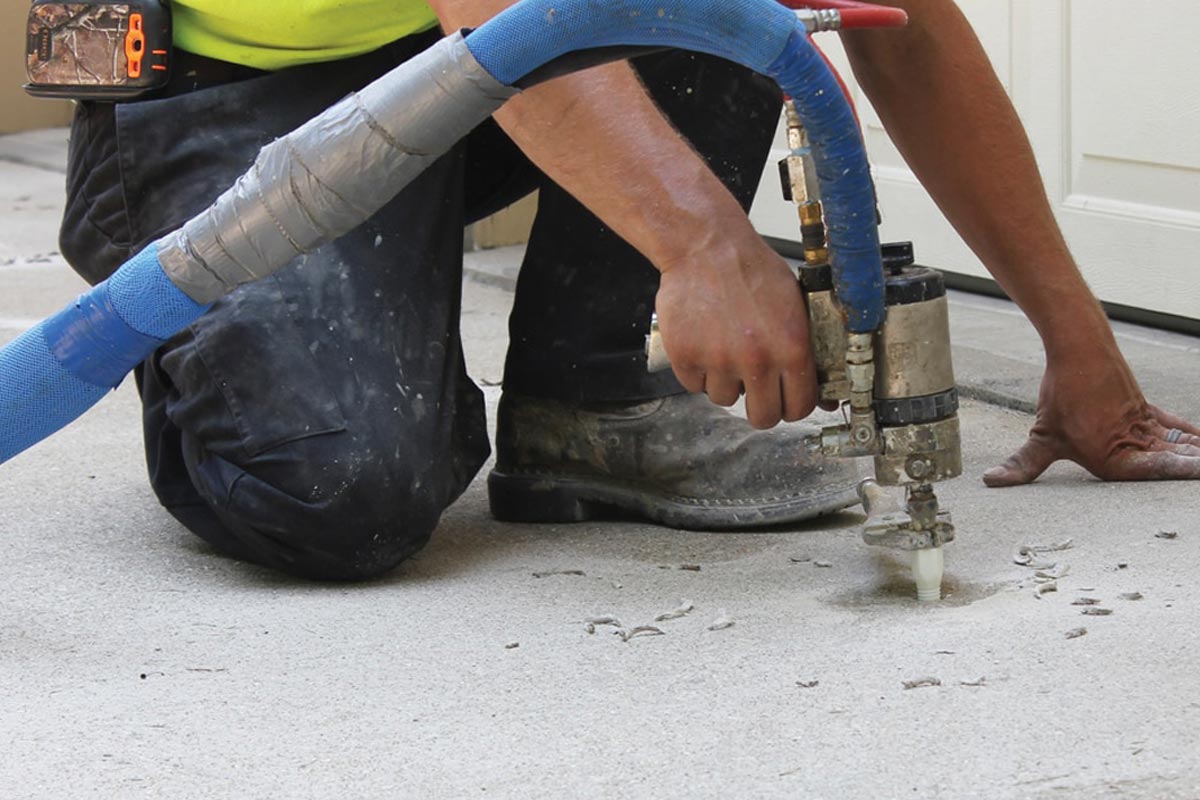
Polyurethane foam is created by mixing two liquid components: an isocyanate and a polyol resin. When combined, these components react and expand, forming a rigid foam. This foam can be injected under the concrete slab through small holes drilled in the surface. As the foam expands, it fills voids and lifts the slab to the desired level.
Benefits of Polyurethane Foam for Concrete Lifting
One of the key advantages of using polyurethane foam for concrete lifting is its lightweight nature. The foam has a much lower density than the slurry used in mudjacking, reducing the load on the soil beneath the slab. This helps prevent further settling and ensures a long-lasting repair.
The rapid expansion and curing time of polyurethane foam allow for quick application and minimal downtime. The foam reaches its final strength within minutes, enabling the lifted concrete to be used almost immediately. This is particularly beneficial for high-traffic areas where extended closure is not feasible.
Polyurethane foam also offers excellent moisture resistance. Once cured, the foam forms a waterproof barrier that prevents water infiltration. This property helps protect the underlying soil from erosion and further settling, extending the lifespan of the repaired concrete.
Foam Densities and Their Applications
Polyurethane foam used for concrete lifting comes in different densities, each suited for specific applications. The density of the foam is measured in pounds per cubic foot (pcf). Higher-density foams provide greater strength and stability, making them ideal for heavy-duty applications.
For example, foam with a density of 2 to 3 pcf is commonly used for lifting residential concrete slabs. This density provides sufficient strength to support typical loads while being lightweight enough to minimize stress on the underlying soil. For commercial or industrial applications, higher-density foam, such as 4 to 6 pcf, may be used to handle heavier loads and provide additional stability.
R-Values and Insulation Benefits
In addition to its lifting capabilities, polyurethane foam offers excellent insulation properties. The R-value, which measures a material’s thermal resistance, indicates how well the foam insulates. Higher R-values correspond to better insulation performance.
Polyurethane foam has a high R-value, typically around 6 to 7 per inch of thickness. This makes it an effective insulator, helping to reduce heat transfer and improve energy efficiency. When used for concrete lifting, the foam not only stabilizes the slab but also enhances the thermal performance of the structure.
Environmental Considerations
Polyurethane foam for concrete lifting is also environmentally friendly. The foam used in this application is often formulated with eco-friendly components, reducing its environmental impact. Additionally, the long-lasting nature of the repair minimizes the need for frequent replacements, reducing material waste and resource consumption.
Real-World Applications
Many real-world applications demonstrate the effectiveness of polyurethane foam for concrete lifting. For example, in residential settings, uneven driveways and sidewalks can create trip hazards and reduce curb appeal. Polyurethane foam provides a quick and effective solution, restoring the surface to its original level and improving safety and aesthetics.
In commercial and industrial environments, heavy machinery and constant traffic can cause concrete slabs to sink and become uneven. Polyurethane foam lifting offers a durable repair that can withstand heavy loads and frequent use, ensuring a safe and functional workspace.
Conclusion
Concrete lifting with polyurethane foam offers a modern and effective solution for repairing sunken or uneven concrete surfaces. The lightweight, durable, and moisture-resistant properties of polyurethane foam make it an ideal choice for various applications. By understanding the benefits of different foam densities and R-values, property owners can make informed decisions to enhance the safety and functionality of their concrete surfaces. Polyurethane foam not only provides a long-lasting repair but also contributes to improved insulation and environmental sustainability, making it the leading choice for concrete lifting projects.